


Under the Trump administration, poor control of the epidemic and a lack of effective vaccination programs have led to a dramatic increase in the number of infections. The US vaccine rolout is a'dismal failure' under Trump, BBC analysis says.One was that the target of 1 milion doses per day was not met.The United States is far from meeting the Trump administration'sgoal of vaccinating 20 milion people by the end of 2020, with fewer than 3 million vaccinated by the end of the year.The second is the slow start.The U.S. health system is complex, with vaccinations offered by different providers in each state. Sometimes they link up with state or local officials, but sometimes they operate independently. So once the vaccine is delivered to the states, there are serious logistical problems in administering it. "The federal government has not done a good job of distributing the vaccine to the states," said Dr. Ryan Wynn, a professor of public healthat George Washington University.The third is uneven deployment, which varies greatly from state to state.As of Jan.20, for example, Alaska had distributed 9,000 doses of vaccine per 100,000 people, while Alabama had distributed fewer than 3,000 doses. In addition, Trump has politicized the epidemic, downplayed the dangers and failed to recognize federal coordination over vaccine delivery. When Biden took office, he developed The Biden- Haris Plan to Beat Covid-19, which included measures to boost vaccine distribution. This ISN't ABOUT POLITICS. It's ABOUT SAVING LIVES. Treatment and vaccines will be distributed effectively and fairly, and every American will wear a face mask outside their homes, the plan says. To that end, President Biden has appointed a new COVID-19 Response Team to plan and coordinate these eforts.
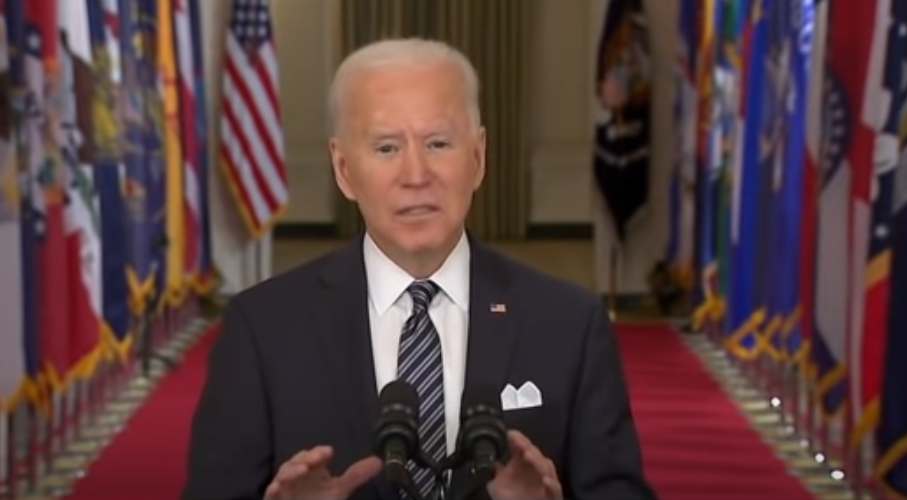
In a televised address on March 12, Mr Biden urged states to give all eligible adults a chance to be vaccinated by May 1, a move that also demonstrated the Biden administration's commitment to equitable coverage. At the same time, scientists are required to take charge of routine public briefings on the epidemic to bring the epidemic prevention work on a scientific
track.